

Review - Look Back in Anger

Review Look Back in Anger
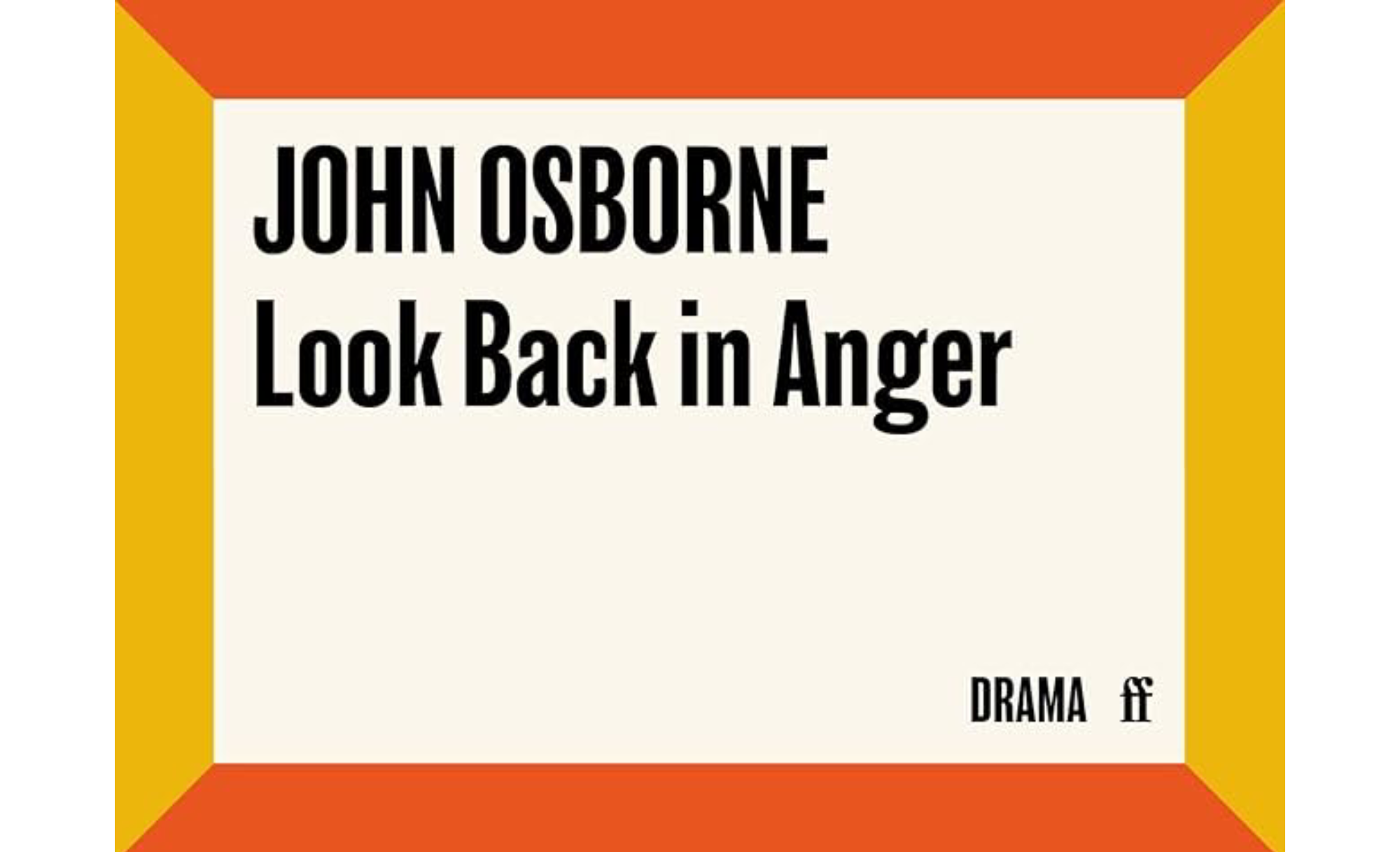
Look Back in Anger is the eighth play I’ve read this year. I’ve heard about it in many conversations, and friends have staged it. However, I’ve never taken the time to read it myself, so as I attempt to read 50 plays this year, it felt right to add this to my list.
I tried to go into reading the play with no preconceptions. But when my partner said, “You’re reading Look Back in Anger? I don’t think you’ll enjoy it. It’s just another relationship play with the feeble woman and the angry man who walks all over her.” - Slightly paraphrased, but I don’t think I’m too far off. - My aim of having no preconceptions was shattered. I’m not a fan of passive characters, and hearing there would be a “Feeble woman and angry man who walks all over her” already put a bit of a sour taste in my mouth before I’d read page 1.
As I read the play, I understood why my partner thought I wouldn’t enjoy the play. The review she gave me seemed accurate. Jimmy was the epitome of emotional abuse. Alison took the brunt of Jimmy’s harsh words and unapologetic attitude. Cliff was concerned for both of their well-being but not being able to help them, but able to find time to suck Alison's fingers(don’t want to kink shame, but… Weird). The play went on, and my enjoyment dwindled.
Until we finally get to see Alison's perspective. John Osbourne creates a beautiful metaphor about Jimmy and Alison’s early connection. Describing the two characters as a bear and squirrel, “We could become little furry creatures with little furry brains. Full of dumb, uncomplicated affection for each other. Playful, careless creatures in their own cosy zoo for two. A silly symphony for people who couldn’t bear the pain of being human beings any longer. And now, even they are dead, poor little silly animals. They were all love, and no brains.”
This tiny bit of dialogue changed my opinion of Alison. She no longer seemed weak and feeble. In actuality, she was the strongest one out of the two. There was a feeling that she was holding onto a memory that she wouldn’t let Jimmy ruin. She remained with Jimmy and faced his horrid moods and bullying techniques every day because there was still some part of her that thought one day they could be a bear and squirrel again. For the first time in the play, I felt I could finally empathise with a character. I was no longer questioning Alison. Jimmy, written as a central character, became the clear antagonist. So, the moment she left to return to her family, I felt like she lost. The bear and squirrel were indeed dead.
I had stopped reading the play as a practitioner trying to improve their knowledge. I was just invested, emotionally invested, intellectually invested, morally invested. Seeing Jimmy with his new partner at the beginning of Act 2 (I won’t spoil who that is) irked my soul. Even though I understood how this person's actions aligned with the play's themes, even though Jimmy was softer, there was something in me that didn’t want him to be happy. After all the strife he caused Alison, I waited for her to return and show off how excited she was with the new baby and lifestyle. Which we all know would boil Jimmy's blood. But when she does return, and she's described as looking “rather ill”, I thought there would be some emotional getback! I was wrong again. In true Alison fashion, she listened, followed her heart and was able to revive the bear and squirrel.
I haven’t spoken about Jimmy much in this review, and I don’t plan to give him too much airtime. However, he was a douche, loudmouth, bully. He was a very complex character. Hearing him talk about his father and his friend's mother. Osbourne did a tremendous job creating a character whose actions were drastic yet understandable. Jimmy’s turn of phrase was awe-inspiring. He has a metaphor and simile for everything. He was educated and fought his battles the best way he knew, with words. After I finished reading it, I looked into the characters of Look Back in Anger and found that Jimmy represented young men who were angry at the world that remained after WWII. These young men resent the lives thrust upon them by the upper classes, just like Jimmy. He went too far. But I completely understand how he got there.
Cliff, Helena and the Colonel had moments in the play that helped fuel the narrative. Cliff was an excellent tool for expressing the helplessness many people feel when trapped in the middle of something. He always saw through Jimmy and remained a true friend to him. Helena felt like a breath of fresh air when she was introduced. She seemed like someone who could finally compete with Jimmy's lexicon. Unfortunately, that was deemed incorrect by the end of Act 1, and in Act 2, she just pissed me off.
The Colonel was a nice look into the upper-middle class. He was introspective, not only about the situation but also about himself: the things he allowed that he believed he shouldn’t and how he felt about a changing England. As Jimmy painted our perception of the upper-middle class, I expected a man named ‘The Colonel’ to be a fighting force, but he was nearly the opposite, which I think was the correct decision.
I rated the play 4*s. I really enjoyed the language and Osbourne beautifully crafted Jimmy's voice. Alison had my heartstrings pulsing with sad melodies. The story was engaging, and I returned to my partner and scolded her for the unjust review she had given me of the play. I must have a bit of Jimmy in me somewhere.